


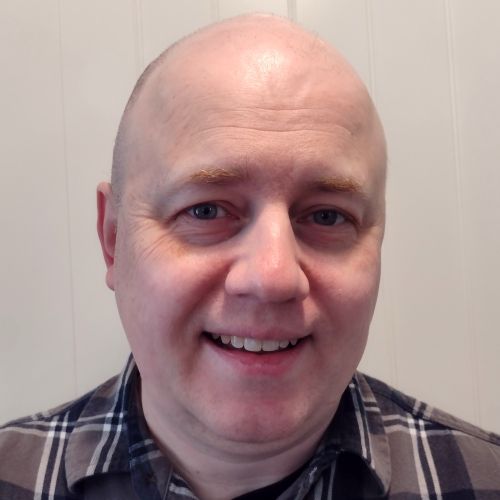
Grace McGregor is retiring after nearly 21 consecutive years as regional director for Christina Lake. We spoke to her a day after she chaired her final Regional District of Kootenay Boundary meeting.
You’re not quite done, but it’s the last few weeks. How does it feel?
It’s bittersweet. You do this job, most of us, because you really love your community. You do it because you think you can make a difference and you hope that’s the way you leave it. I hope that’s the case for Area C and as well as chairing the regional board. I have worked with some phenomenal people over the years. I congratulated the board for the work they’ve done this past year and also the staff that have stepped up every time we’ve asked them to. So I feel pretty good about it.
Take us back to 2005. What prompted you to run for this position in the first place?
I was asked, “will you run?” And I said, literally, “I’m not that stupid.” So you can see how well that worked. Then a couple of people came to my house and said, “We’re sitting here, we’re going to talk, and when we leave, we’re going to convince you to run.” They were people that had sat on the advisory planning commission for years and I had chaired the APC for a number of years. So I was aware of the regional district. That’s how I got talked into that. Honestly, I damn near quit partway through an election process because I wasn’t used to the back-and-forth that brings out of people. But it ended up in my favor and I will be forever grateful for that opportunity.
Expand on that. There was a time when social media didn’t exist. Discontented people had to phone you or tell you to your face. But it doesn’t always happen like that anymore. So I imagine you always had a thick skin or you’ve had to develop one.
I actually don’t like that saying because I believe I don’t have such a thing. I lost sleep night after night after night over hard decisions. And I think people that have “thick skin” don’t do that. I think it doesn’t bother them. I’m happy to not be one of those people because I think you make better decisions if it eats at you and bothers you until you figure out a better way to do something.
What were some of the hardest decisions you had to make?
We’ve had some really difficult things at Christina Lake. Christina Lake’s never been a quiet community. We had the Aquilini process [a waste-to-energy plant application] and people not understanding you can’t deny process to anybody. We’ve had fires, we’ve had floods, we’ve had the AI [data processing centre] recently. There’s always been something. Every couple years or so, there’s been something that the community fights back on. Christina Lake’s always been very good at that. When they don’t like something, they step up and good on them. That’s what I call being involved. That’s what I call listening and that’s what I call paying attention.
What are you proudest of?
Starting a park and recreation service, the Kettle River management plan, the Welcome Centre, being part of UBCM, and of course, the walking bridge. I’ve got a long list of stuff I fought for and we’ve managed to do something with. And that comes with community involvement. It doesn’t come with me standing by myself ever.
What advice would you have for the incoming director or chair or board?
Listen. But not only listen, give credit where it’s due. Stop using “I, I, I, I.” Start using “we, we, we.” No decisions are ever made by yourself. And if they are, communities should question that. The board working together is extremely important. Municipalities understanding regional districts is extremely important. So please listen to each other. Debate is healthy. But when you walk out of that boardroom, make sure you’re still friends.
At the last board meeting, you indicated you will continue to be involved in the BC Rural Project.
I will. I chair the BC Rural Centre and for quite a few years, we worked on something called the Rural Project right across BC. We ended up getting a rural dividend and some other things that we asked for. And then it was cancelled. I want to fight for that back because we have resources that come out of rural BC. They don’t come out of Surrey, Vancouver, or Victoria. We deserve to get something back. That includes forestry, mining, gravel extraction, oil, gas. So I’m going to go back to fighting for some of that.