


Castlegar residents can expect to pay about another $126 in utility fees next year, due in part to the city’s desire to increase its sewer reserve fund, which it describes as “critically low.”
The total charge for water, sewer, and curbside waste pickup is poised to go up 9.3 per cent, from $1,367 for the average household to $1,493.
Council gave the necessary readings to the bylaw amendments this week, clearing the way for the increases. The bylaw still needs to be adopted.
In a presentation to council, financial services manager Paul Wallin and municipal services director Chris Hallam explained that in 2018, the city found its water and sewer reserves were too low to meet capital needs. Since then, rates have been gradually increasing as more money is socked away.
The city now considers its water reserve to be on track, but feels the sewer reserve is still too low based on capital demands expected over the next eight years.
The water reserve is sitting at about $6.5 million and is expected to rise to $9.5 million by 2031, allowing the city to address any large capital projects or water-related emergencies without impacting current rates.
The 2027 water rate increase will be 1.7 per cent, and is expected to be followed by increases of three per cent in each year from 2028 to 2031. For a single-family home, this means a hike of $7.95, from $467.84 this year to $475.79 next year. The commercial rate will go up $10.35, from $607.92 to $619.27.
City manager Chris Barlow said the water reserve is healthy because since the city started increasing rates, they haven’t had to spend any money. But on the sewer side, they have been spending faster than they have been able to build the reserve up.
This has been partly due to problems with biosolids at the south sewage treatment plant. The city spent $100,000 more than budgeted on transporting biosolids this year, and has included a $35,000 increase in the 2027 budget.
The sewer reserve is sitting at about $150,000, which doesn’t meet minimum levels in the city’s reserve policy. The rate increase for 2027 will be 15 per cent, the same as last year. The same increase is also expected to be applied through 2031, at which point the reserve will be at $1.1 million.
For residential customers, it means a hike of $86.69, from $557.95 to $664.64. For commercial customers, it’s another $115.68, from $771.23 to $886.91.
The city’s long-term plan is to consolidate its two sewage plants on a single site. As a result, staff say they are mindful about the amount they invest on the existing plants.
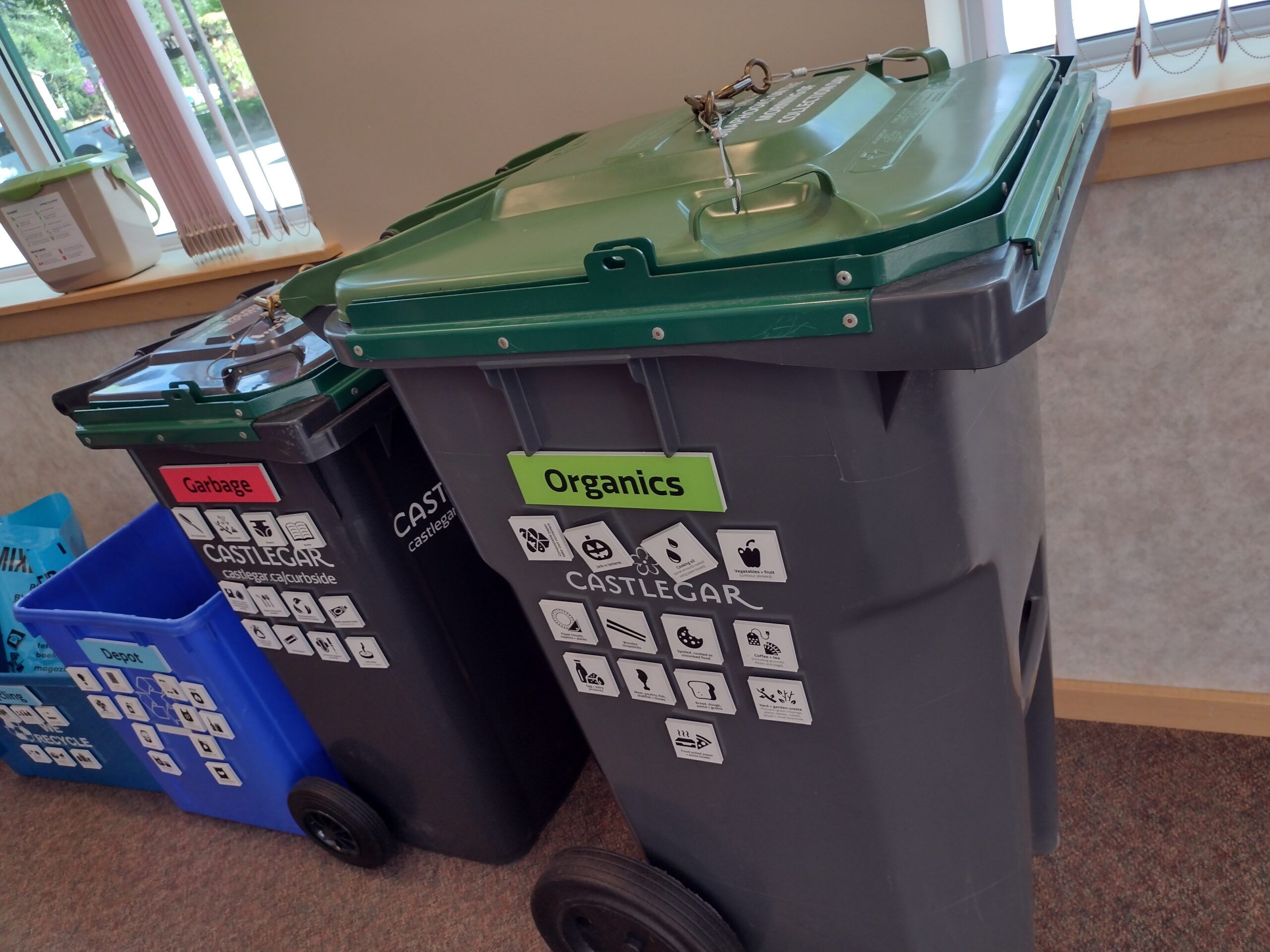
Meanwhile, the cost of residential curbside collection is going up $31.85, from $321.19 to $353.04. That factors in an eight per cent increase in tipping fees at the landfill, a four per cent increase in the contract for pick-up service, and a $23,000 increase in hauling costs. It also includes a decrease in operating supplies for garbage.
The table below shows the change in curbside collection rates.
| Service | 2026 | 2027 | Change |
|---|---|---|---|
| Garbage | $160.07 | $158.23 | $-1.84 |
| Organics | $156.47 | $183.96 | $27.49 |
| Recycling | $4.65 | $10.85 | $6.20 |
| Total | $321.19 | $353.04 | $31.85 |
The table below shows the full impact of all of the utility rate changes.
| Service | 2026 | 2027 | Change | % |
|---|---|---|---|---|
| Water | $467.84 | $475.79 | $7.95 | 1.7 |
| Sewer | $577.95 | $664.64 | $86.69 | 15 |
| Curbside | $321.19 | $353.04 | $31.85 | 9.9 |
| Total | $1,366.98 | $1,493.47 | $126.49 | 9.3 |