

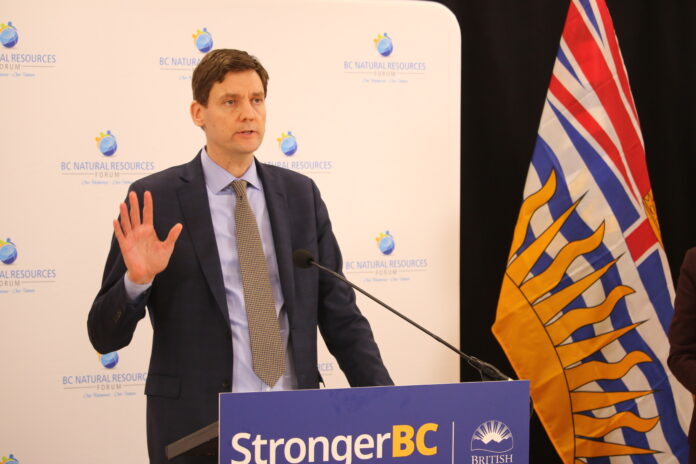

Public illicit drug use will soon be banned in the province, and police will be given more power to enforce the ban.
This ban includes within hospitals, on transit, and at parks and beaches.
“Keeping people safe is our highest priority. While we are caring and compassionate for those struggling with addiction, we do not accept street disorder that makes communities feel unsafe,” said Premier David Eby.
“We’re taking action to make sure police have the tools they need to ensure safe and comfortable communities for everyone as we expand treatment options so people can stay alive and get better.”
The province and federal government are collaborating to make changes to “the legality of possessing drugs in B.C.,” which will allow police to enforce against public drug use.
Officers will have the option to make someone using drugs in public leave the space, take the drugs, or arrest the person if necessary.
“Our communities are facing big challenges. People are dying from deadly street drugs and we see the issues with public use and disorder on our streets,” said Mike Farnworth, Minister of Public Safety and Solicitor General.
“As we continue to go after the gangs and organized criminals who are making and trafficking toxic drugs, we’re taking action now to make it illegal to use drugs in public spaces, and to expand access to treatment to help people who need it most.”
The province was clear that this change is not the recriminalization of drug possession in a private residence, legal shelter, or overdose prevention site.
People who are addicted will also have expanded access to treatment, the province said they will be:
- increasing the availability and accessibility of opioid-agonist treatment (OAT), a
medication-assisted treatment for people who have an opioid-use disorder, by
implementing a provincewide virtual system; - integrating addictions services with health care, housing and related services; and
- working with experts to develop methods to track prescribed alternatives with the aim of
identifying and preventing diversion.
“People across the country are dying from poisoned drugs and B.C. is no exception,” said Jennifer Whiteside, Minister of Mental Health and Addictions. “Addiction is a health-care issue, not a criminal one, and we’re going to keep doing everything we can to save lives and connect people to treatment.”
Something going on in your part of the Kootenays you think people should know about? Send us a news tip by emailing news@mykootenaynow.com.