

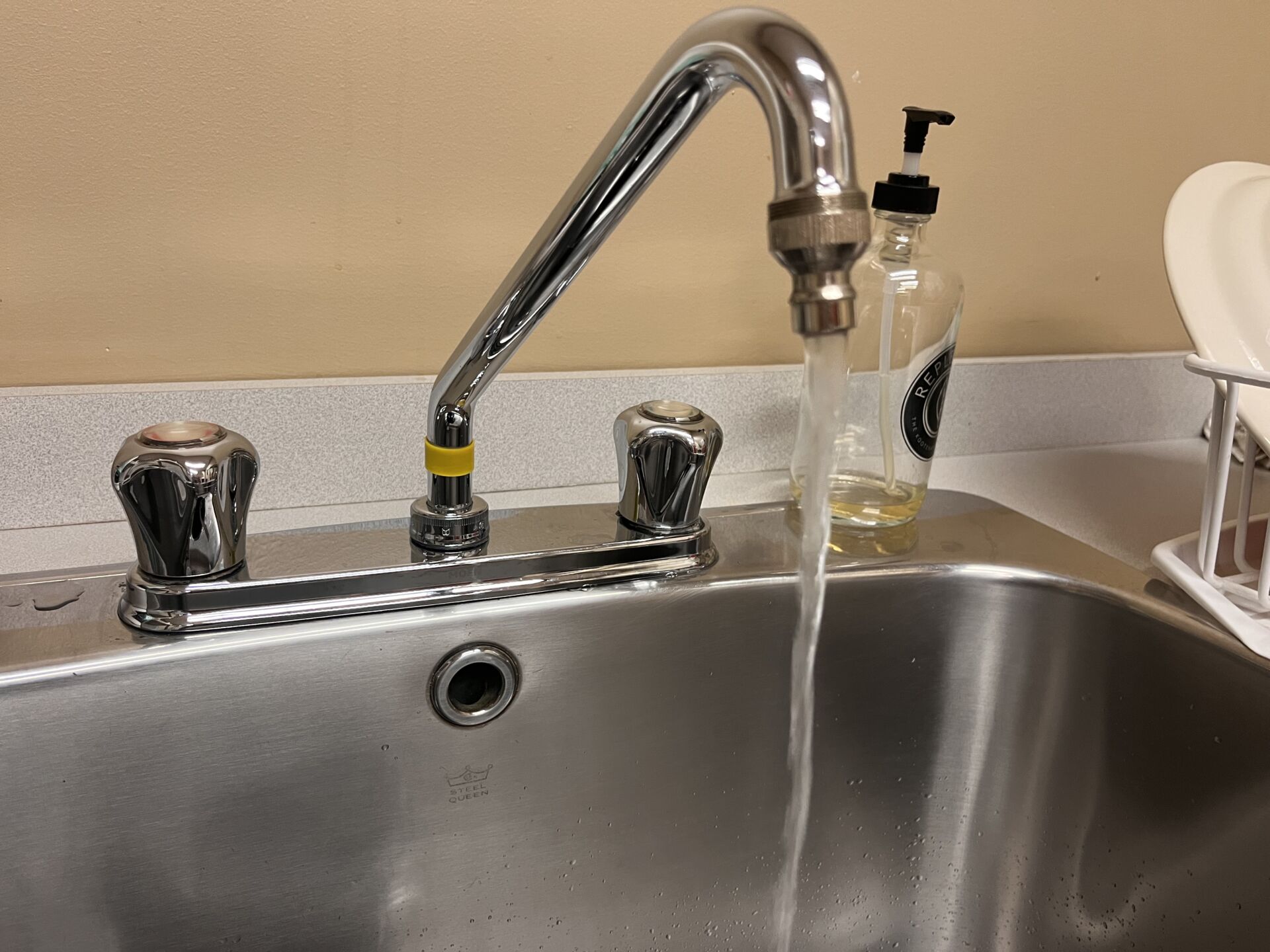

The City of Trail is thinking about a second straight water rate increase of 10 per cent in 2026 and a more modest sewer rate increase.
City manager Colin McClure presented council with some starting figures this week. He suggested a 10 per cent hike in water rates, which in real dollars would go from $477 to $525 per household per year, a difference of $48.
For sewer, he suggested a 2.75 per cent increase, from $284 to $291 per household per year, a difference of $7.
Overall, it would work out to a 7.2 per cent increase in utility fees, from $761 to $816, which would be $55 more.
McClure said the city will need a few more years of potentially double-digit increases on the water side to build a healthy reserve. Last year, council approved a 10 per cent water increase and a three per cent sewer increase.
McClure further floated the idea of dispensing with the city’s water parcel tax and rolling it into utility rates. Overall, it would result in a decrease of $10 per homeowner next year, although it would show up on paper as a 44.5 per cent increase in utility rates.
McClure said an update to the city’s water plan is out to tender, and they’ll have to wait until it’s finished to understand any changes to their infrastructure priorities.
But for 2026, the first phase of a water main twinning along Charles Lakes Drive is scheduled. The city has applied for a $4.6 million provincial grant toward that project but hasn’t heard back yet.
A well project on Bear Creek, and water main upgrades on Shavers Bench and Dewdney Avenue are also slated for next year.
Staff are further recommending $50,000 be re-budgeted from the sewer utility to the water utility to help keep down pressure for additional water rate increases.
Council was generally receptive to the suggestions. “Ten per cent seems aggressive, but it’s just preparing us for the future,” mayor Colleen Jones said.
But councillor Thea Hanson asked what things would be like if the water increase was kept to eight per cent, and councillor Bev Benson suggested no increase on the sewer side. McClure is expected to bring such scenarios back to a future council meeting.
Council also seemed keen on dispensing with the parcel tax, but said it was important to communicate to residents that they would actually be in line for an overall discount, despite what their utility bill might indicate.
McClure noted that while Trail is responsible for sewage transmission, the Regional District of Kootenay Boundary looks after sewage treatment.
Trail no longer charges a separate garbage utility fee since the regional district took over responsibility for pick-up a couple of years ago, although individual bags of garbage now require tags that cost $3 each.
Be the first to know! Don’t miss out on breaking news and daily updates in your area. Sign up to MyKootenayNow News Alerts.